

ORAL COMPOUNDS:
PERSONALIZED TREATMENT OPTIONS
Delivering Better Health
How Our BHRT Care Works
We guide you through education, onboarding, consent, and ongoing pharmacy support — while Amanda Spaak, Nurse Practitioner and BHRT-certified functional medicine provider, leads medical evaluations, lab ordering, and 1-on-1 consultations to ensure your care is safe, personalized, and provider-led.
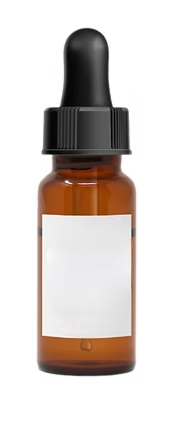
Oral Semaglutide GLP-1
Now you can experience the benefits of a GLP-1 medication with no needles with our compounded oral semaglutide.
This preparation is a non-invasive sublingual compounded design to deliver Semaglutide both effectively and safely, using FDA-approved ingredients. By compounding this preparation for you, we can tailor the medication to your specific needs in a cost-effective manner.
Injectable Tirzepatide/Glycine
Now you can support weight management and cravings with a compounded injection that works with your body’s natural hormones.
This formulation combines Tirzepatide—targeting GLP-1 and GIP receptors to help regulate appetite, digestion, and blood sugar—with glycine, which supports muscle health. Prepared with FDA-approved ingredients, this personalized approach offers an effective and more affordable alternative to brand-name treatments, tailored to your unique health goals.
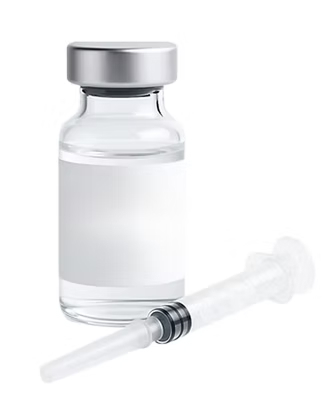
Injectable
Semaglutide/L-Carnitine
Now you can support weight management and control cravings with a compounded injection that works with your body’s natural hormones.
This formulation combines Semaglutide—acting on GLP-1 receptors to help regulate appetite, digestion, and blood sugar—with L-Carnitine, which supports attention and concentration. Prepared with FDA-approved ingredients, this personalized approach aligns with your unique health goals while offering a more affordable alternative to brand-name treatments.
Interested in Injectable or Oral Compounds?
Here’s What to Do Next!
If you’re considering compounded medications like injectable Tirzepatide or oral Semaglutide, you’ll need a prescription from your healthcare provider to get started. We recommend reaching out to your provider to discuss your options and determine the best course of action for your health.
Not sure how to start the conversation with your provider? We've got you covered.
Copy and paste the message below to send to your provider and get the ball rolling on your way to better health:
"I’m considering injectable or oral _____________ and wanted to let you know that my local Good Day Pharmacy has these options available. They offer injectable Tirzepatide, injectable Semaglutide, and oral Semaglutide, all compounded without the use of salt bases for optimal quality."

Providers
We are committed to supporting healthcare providers with the resources they need to offer the best care for their patients. Our comprehensive range of injectable compounds, including semaglutide, is designed to meet diverse patient needs effectively.
We provide convenient script pads and educational materials to simplify the prescription process and ensure that your patients receive the highest quality compounded medications. Partner with us for seamless access to innovative treatment solutions and dedicated support for your practice.
**Note: This page is password protected. If you are a provider seeking resources, please CONTACT US to obtain the password.
How to Give Yourself a Subcutaneous Injection
Administering a subcutaneous injection may seem daunting, but with proper guidance, it becomes straightforward. Gather your medication, syringe, alcohol swabs, and sharps container. Wash your hands, clean the injection site, pinch the skin, and insert the needle at a 45-degree angle. Inject the medication slowly, then remove the needle and apply pressure with a swab. Dispose of the needle safely. Practice will build your confidence.
For a visual guide, watch the accompanying video.
Frequently asked questions
Are the bases for injectable/oral semaglutide and Tirzepatide the salt form?
No, injectable semaglutide and tirzepatide are 503B compounds and cannot legally use salt bases for human consumption. They must use base formulations that replicate commercial products, with the active pharmaceutical ingredient (API) always tested. Salt and acetate versions are not used or permitted.
What side effects can I expect from Injectable Semaglutide?
Common side effects of Injectable Semaglutide include nausea, vomiting, diarrhea, and constipation. If you experience any severe or persistent symptoms, please contact your healthcare provider.
Are there any food or drink restrictions while taking Oral Semaglutide?
Avoid eating or drinking anything other than plain water for at least 30 minutes after taking the medication.
What happens if I miss my Oral Semaglutide dose?
Avoid eating or drinking anything other than plain water for at least 30 minutes after taking the medication.
What is the BUD (Beyond Use Date) of Injectable Semaglutide?
According to CDC guidelines, injectable semaglutide can be used for up to 56 days after the vial is punctured, provided it is stored in the refrigerator.
Do I need a prescription for oral Semaglutide, injectable Semaglutide, or Tirzepatide?
Yes, you need a prescription from a healthcare provider to obtain oral Semaglutide, injectable Semaglutide, or Tirzepatide.
Do I need a prescription for oral Semaglutide, injectable Semaglutide, or Tirzepatide?
Yes, you need a prescription from a healthcare provider to obtain oral Semaglutide, injectable Semaglutide, or Tirzepatide.
What key warnings and precautions should I know about before taking this medication?
Do not use injectable semaglutide if you or your family have had a type of thyroid cancer called medullary thyroid carcinoma (MTC) or if you have an endocrine system condition called Multiple Endocrine Neoplasia syndrome type 2 (MEN 2). In studies with rodents, semaglutide and medicines that work like semaglutide cause thyroid tumors, including thyroid cancer. It is not known if semaglutide will cause thyroid tumors or MTC in people. Inform your healthcare provider if you experience any of the following symptoms, as they may be signs of thyroid cancer: a lump or swelling in your neck, hoarseness, trouble swallowing, or shortness of breath.
Tell your healthcare provider if you have pancreas or kidney problems, type 2 diabetes, diabetic retinopathy, mental health issues including depression or suicidal thoughts, or if you are taking other medications to treat type 2 diabetes such as sulfonylureas or insulin. Do not take semaglutide if you are pregnant or planning to become pregnant, as this product may harm your unborn baby. Stop using this product at least 2 months before you plan to become pregnant. It is unknown if semaglutide passes into your breast milk, so talk with your healthcare provider about using this medication if you are currently breastfeeding or plan to breastfeed. Always consult your healthcare provider for personalized advice and to ensure this medication is safe for your specific health conditions.
What is the process to refill my prescription?
Refilling your prescription is easy! Just click the "Fill My Rx" button on our homepage, follow the steps to submit your refill request, and we’ll handle the rest.
Can I transfer my prescription from another pharmacy to yours?
Yes! Transferring your prescription to Good Day Pharmacy is quick and easy. Just click the "Transfer My Rx" button on our homepage and fill out the simple form. We'll handle the rest and ensure a smooth transition!
Do you accept my insurance?
Great question! Good Day Pharmacy accepts most major insurance plans. To check if we accept yours, visit our Insurance Page for a full list.
How can I check the status of my prescription?
To check the status of your prescription, call the Good Day Pharmacy location where it was filled. Our team is here to provide updates and answer any questions you may have!
Can I take over-the-counter medications with my prescription?
Always check with your pharmacist before combining prescriptions with over-the-counter medications
What should I do if I miss a dose of my medication?
If you miss a dose, follow the instructions on your prescription label. When in doubt, call your pharmacist before taking extra medication, since doubling doses can sometimes be unsafe.
How do I know if my medications interact with each other?
Your pharmacist reviews prescriptions for interactions every time you fill. If you have concerns about new medications, bring them to us and we’ll run an interaction check to keep you safe.
What side effects should I watch for with new medications?
Each medication has potential side effects, which your pharmacist can explain. Common ones may include drowsiness, upset stomach, or dizziness. If you notice anything unusual or severe, contact your provider right away.
Is it safe to drink alcohol with my prescription?
Alcohol can interact with many medications, reducing effectiveness or increasing side effects. Ask your pharmacist about your specific prescription before drinking to make sure it’s safe.
How should I store my medications at home?
Most medications should be stored in a cool, dry place away from direct sunlight. Avoid keeping them in bathrooms where moisture can reduce effectiveness. Some medicines require refrigeration—check your label or ask us.
What do I do if I experience an allergic reaction to my medicine?
If you notice hives, swelling, or trouble breathing, call 911 immediately. For mild reactions like rash or itching, contact your pharmacist or provider right away to discuss safe alternatives.
Is it safe to share my prescription medication with someone else?
Never share prescription medications. Doses, allergies, and medical conditions vary from person to person, and taking medication not prescribed to you can cause serious harm.
How do I safely dispose of expired or unused medications?
Bring expired or unused medications to our pharmacy for safe disposal. Do not flush them down the toilet unless the label says it’s safe. Proper disposal helps prevent harm and protects the environment.
Can I cut or crush my pills to make them easier to swallow?
Some pills can be cut or crushed, but many are time-released or coated and must be swallowed whole. Always check with your pharmacist before altering any medication form.
Prescription Dispensing
Drugstore2Door

© Copyright 2026 Drugstore2door. All Rights Reserved.
Photographs and Pharmacy Logo Courtesy of Good Day Pharmacy-Sprouts.